Entertaining
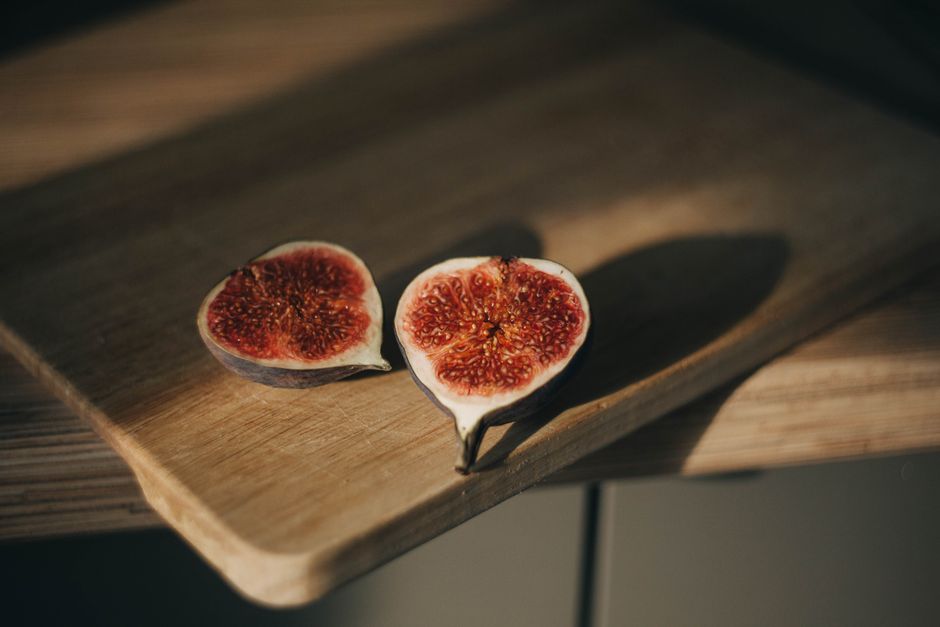
There is a moment in late August when the fig tree in my neighbor's yard tips over the fence, heavy with fruit, and I know the season has truly turned. Figs are one of those ingredients that ask very little of a cook. A perfectly ripe fig, still warm from the sun, split open and eaten over the sink, is already a complete experience. But when the harvest outpaces your appetite, the kitchen becomes a place to stretch that fleeting sweetness across the coming months.
The first rule of figs is simple: they do not ripen after picking. A fig that feels firm at the market will stay firm on your counter. Look for fruit that gives slightly under your thumb, smells faintly of honey, and has a soft, slightly wrinkled stem end. If you find yourself with a basket of underripe figs, don't despair. Heat coaxes out their sugars in ways that raw eating cannot.
Roasting is the gentlest way to transform a mediocre fig into something memorable. Halve them, set them cut-side up in a baking dish, and drizzle with a little honey and a few sprigs of thyme. A moderate oven for twenty minutes is enough to soften the flesh and concentrate the juices into a syrup that pools in the center of each half. Serve these warm over whipped ricotta, spooned onto yogurt, or alongside a wedge of salty sheep's cheese.
Grilling takes a firmer hand but rewards you with smoke and char. Thread halved figs onto skewers, brush them lightly with olive oil, and lay them cut-side down over a hot grate for just two or three minutes. The cut surface caramelizes, the skin blisters, and the whole thing tastes like a Mediterranean evening. These grilled figs are wonderful torn over a salad of bitter greens, scattered with toasted pistachios and a sherry vinaigrette.
For a savory turn, consider pairing figs with alliums. A slow-cooked red onion jam spread beneath roasted figs on a piece of grilled bread, finished with a crumble of feta, makes an appetizer that disappears before it reaches the table. The sweetness of the fruit against the sharpness of onion and salt is one of those combinations that feels inevitable once you taste it.
When you simply cannot eat another fresh fig, preservation becomes an act of optimism. Fig jam is the most forgiving project. Chop the fruit roughly, weigh it, and add about seventy percent of its weight in sugar. Let it macerate for an hour until the juices run, then simmer with a strip of lemon zest until the mixture thickens and a spoon dragged through the pot leaves a clear trail. A splash of balsamic or a sprig of rosemary at the end adds a savory edge that makes the jam a natural partner for cheese boards in January.
Drying is another route, though it demands patience and a good stretch of dry heat. Halved figs laid on a rack in a low oven for several hours will shrivel into chewy, intensely sweet morsels that keep for months in a jar. Tuck them into braises, chop them into grain salads, or eat them straight with a cup of strong coffee.
However you choose to handle your harvest, the point is not efficiency. It is the pleasure of stretching a short season a little longer, of opening a jar in the dead of winter and remembering what August tasted like.
