Seasonal Cooking
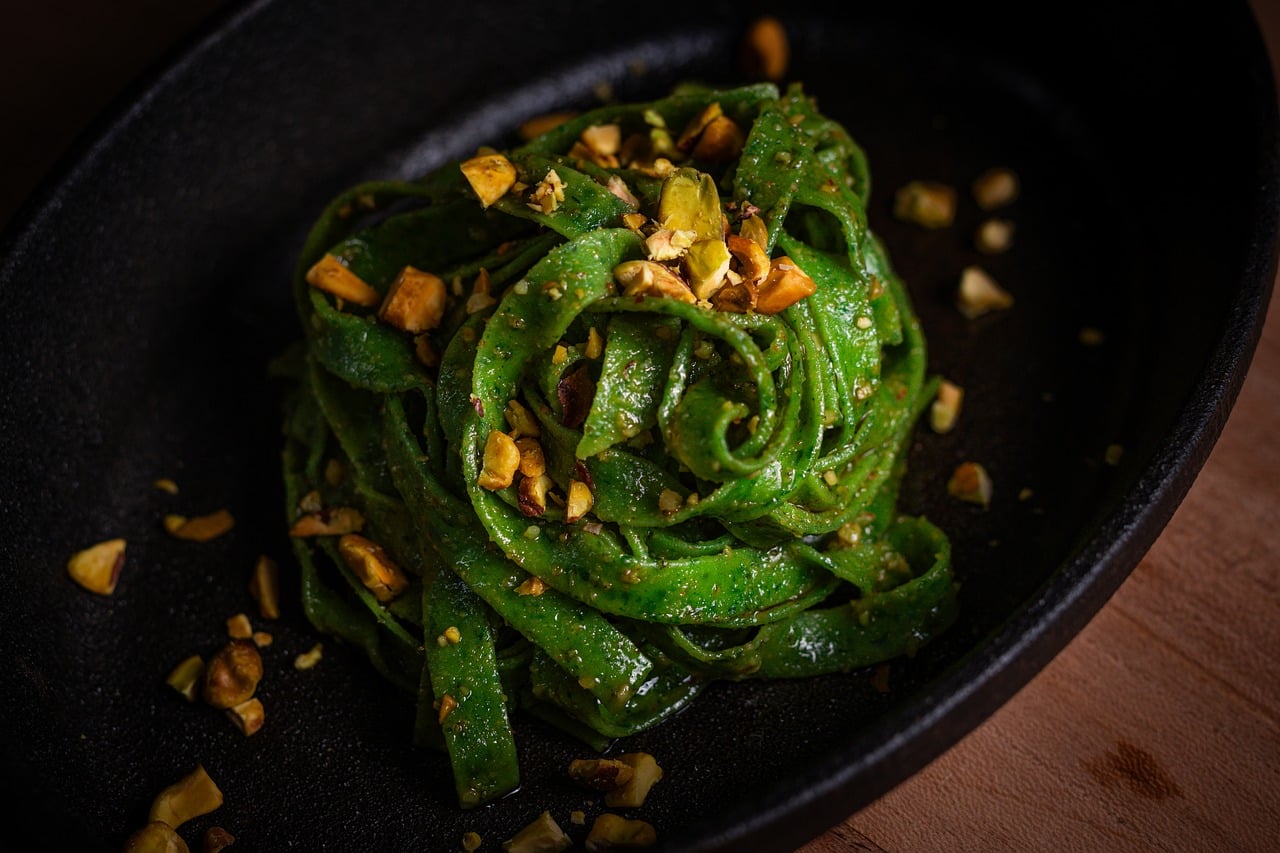
People often ask how I manage to cook dinner every night without a plan. The honest answer is that I keep a pantry that makes planning unnecessary. When the shelves are stocked with the right things, a meal is never more than twenty minutes away, and it is almost always better than anything I could have ordered. This is the Mediterranean approach to the vegetarian kitchen: a small set of deeply flavored staples, used with confidence and repetition.
The list is not long, and it is not expensive. What matters is quality and rotation. Buy the best olive oil you can afford and use it freely. Keep your spices fresh and replace them when they lose their scent. And cook from the pantry often enough that you know it by heart.
First, good olive oil — ideally two bottles, one for cooking and one for finishing. Second, tinned tomatoes, preferably whole San Marzano or a good domestic brand. Third, dried pasta, the short shapes that hold sauce. Fourth, a jar of chickpeas, or better yet, a bag of dried ones you cook yourself. Fifth, garlic, always fresh, never pre-chopped. Sixth, onions and shallots, stored somewhere cool and dark. Seventh, a jar of preserved lemons or good capers for brightness. Eighth, a hard aged cheese like parmesan or pecorino, kept in the fridge and grated as needed. Ninth, a tin of good anchovies, which I know sounds strange in a vegetarian pantry, but a single fillet melted into olive oil gives a savory depth that is hard to replicate — leave them out if you prefer, and use a spoonful of miso instead. Tenth, dried herbs: oregano, thyme, bay leaves, and red pepper flakes.
With these ten things, plus whatever fresh vegetables you have on hand, you can make pasta with tomato and garlic, a chickpea stew with greens, a frittata, a grain bowl, a pot of beans, or a simple soup. The combinations are nearly endless, and none of them require a recipe.
The trick to cooking from the pantry is to learn a few techniques rather than a hundred recipes. Learn how to build a base of aromatics in olive oil. Learn how long it takes to soften onions, to bloom spices, to reduce a sauce. Learn what a dish tastes like when it needs salt, when it needs acid, when it needs a little sweetness. These are the skills that make cooking feel intuitive rather than stressful.
Start with a single pan and a single idea. Maybe it is pasta with tomatoes, garlic, and a pinch of red pepper. Maybe it is a bowl of white beans with wilted greens and a squeeze of lemon. Maybe it is a frittata with whatever vegetables are looking tired in the drawer. Cook it once, then cook it again a week later, changing one thing each time. By the third or fourth attempt, you will not need the recipe anymore. You will have made it your own.
This is the quiet pleasure of a well-stocked pantry: not the ability to make anything, but the confidence to make something good from whatever is there. It is the difference between cooking as a chore and cooking as a habit, one that feeds you and the people you love, night after night, without fuss.
