Recipes
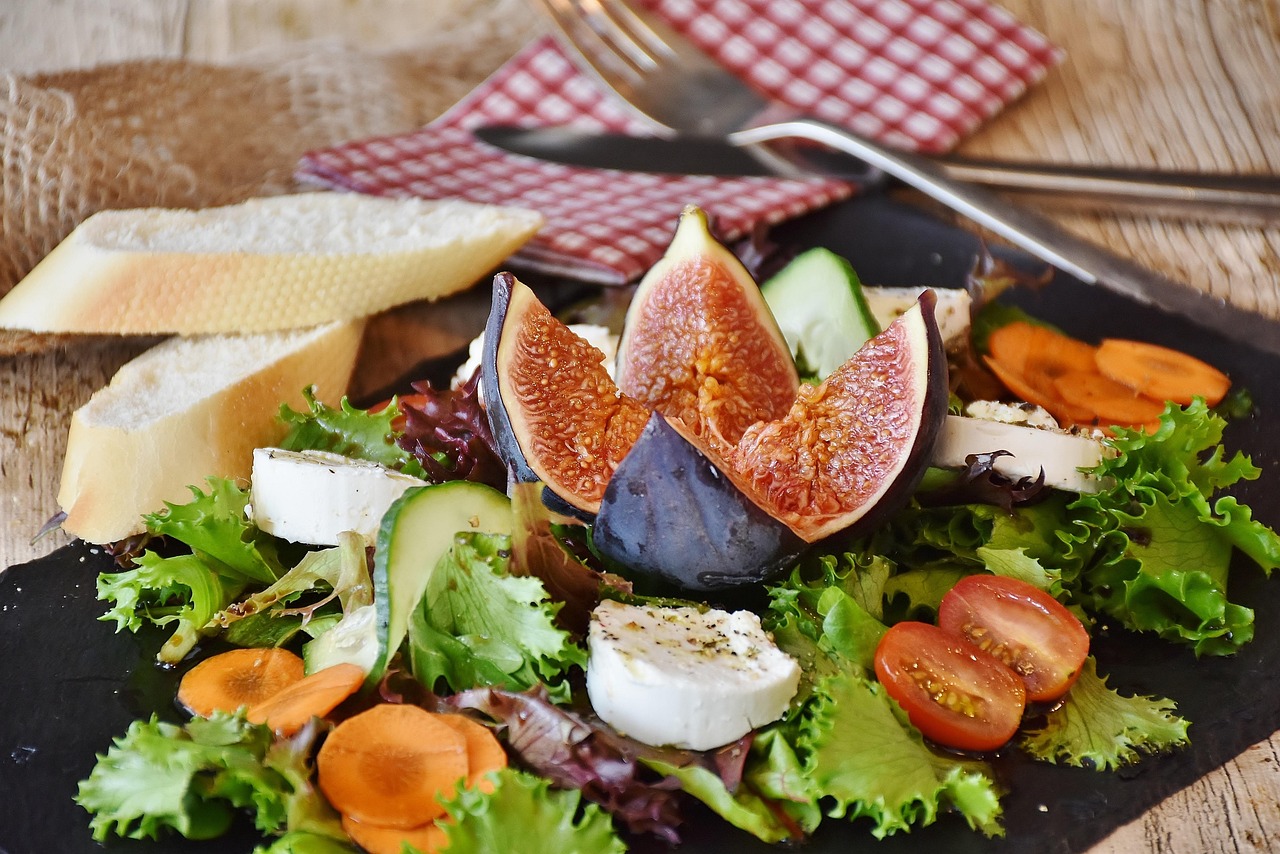
Every August, I have to remind myself to stop cooking tomatoes. The instinct to roast, to sauce, to simmer is strong, especially for those of us who grew up thinking that a tomato was an ingredient rather than an event. But a ripe summer tomato is not an ingredient. It is a finished dish waiting to be assembled, and the cook's job is mostly to stay out of its way.
The test of a truly great tomato is whether it needs anything at all. A pinch of flaky salt, perhaps. A few drops of good olive oil. A torn leaf of basil. That is the whole recipe, and it is a better one than almost anything you could build from a mediocre tomato in February. The season is short. Treat it accordingly.
If there is one dish that captures this philosophy, it is panzanella — the Tuscan bread salad that turns stale loaves and overripe tomatoes into something greater than either. The principle is simple: tomatoes, torn bread, olive oil, vinegar, salt, and time. The tomatoes release their juices, the bread soaks them up, and what emerges is a salad that tastes like the best possible version of summer.
Use bread that is a day or two old, ideally a country loaf with a sturdy crumb. Tear it into rough chunks rather than cutting it, so the edges stay craggy and catch the dressing. Toast the pieces briefly if they are very fresh, or leave them as they are if they are already dry. The point is for the bread to absorb the tomato juices without turning to mush.
Salt the tomatoes first, in a bowl, and let them sit for fifteen minutes. They will release a pool of sweet, slightly acidic liquid that becomes the base of your dressing. Add olive oil, a splash of red wine vinegar, a crushed clove of garlic, and a few grinds of pepper. Toss in the bread, add torn basil and maybe a few slices of red onion that have been soaked in cold water to tame their bite, and let everything sit for another ten minutes before serving. The result is humble, deeply satisfying, and impossible to stop eating.
Once you have the basic panzanella, you can take it in any direction. Add torn mozzarella or chunks of feta. Toss in cucumbers, olives, or capers. Swap the basil for mint or parsley. Add a handful of white beans to make it a full meal. In the south of France, a similar salad is made with tomatoes, bread, and a garlicky vinaigrette, sometimes with anchovies. In Greece, you will find it with barley rusks instead of bread. All of them are essentially the same idea: let the tomatoes do the work.
A few rules are worth keeping. First, never refrigerate your tomatoes. Cold kills their flavor and turns their texture mealy. Second, salt them before you dress them, and give them time. Third, use more olive oil than feels reasonable. Fourth, taste as you go, because tomatoes vary wildly in sweetness and acidity from one day to the next.
Most of all, resist the urge to improve. The best tomato dish of the summer is the one you make when you finally stop trying to make it anything other than what it is. Bread, tomatoes, oil, salt. That is enough.
