Weeknight Meals
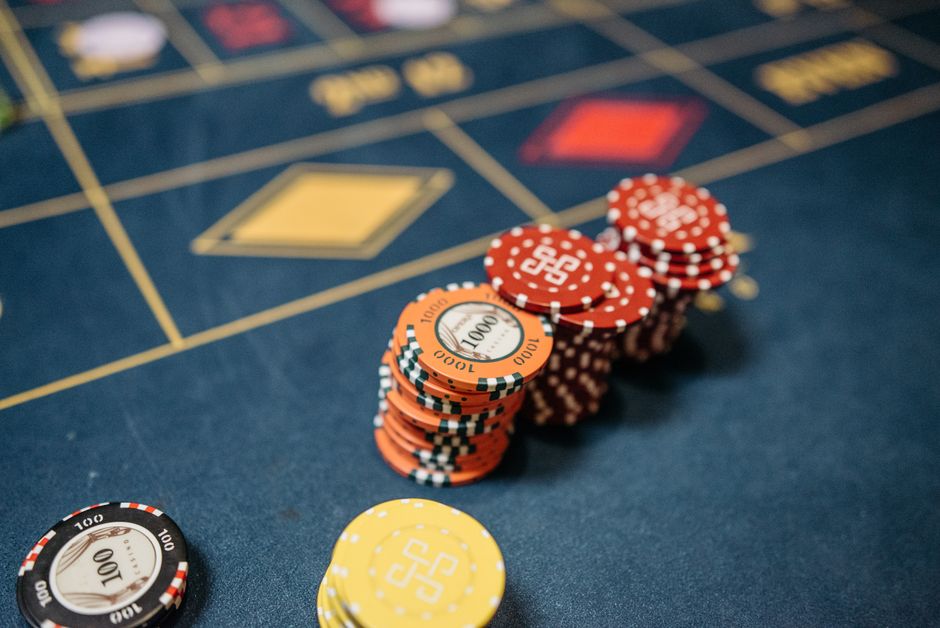
You finally trigger the free spins feature after 340 dead spins, watch the multiplier ladder climb to 12x, and walk away with 3.20. Meanwhile, someone in a forum post claims they hit 500x on the same slot twice in one session. Before you blame the algorithm, the casino, or your own luck, it helps to understand the single most misunderstood concept in online slots: volatility. It's not a marketing buzzword bolted onto the game info screen. It's the mathematical personality of the machine, and it dictates everything from how often you win to how long a bonus round survives your bankroll.
Most players check the return-to-player percentage and stop there. If a slot says 96.2% RTP, that sounds generous. But RTP is a long-term average measured over millions of spins, not a promise for your session. Volatility is what determines the distribution of those returns.
Picture two slot machines sitting side by side, both with 96% RTP. Machine A pays out small amounts constantly, dozens of little wins per hundred spins. Machine B pays out almost nothing for 400 spins, then dumps a massive multiplier onto your screen. Same theoretical return, completely different experience. That's volatility in action.
The practical takeaway: a 96% RTP slot with extreme volatility can wipe a $200 bankroll in twenty minutes. A 94% RTP low-volatility slot might keep you spinning for two hours. Neither is "better" — they serve different playing styles and stakes.
Every modern slot advertises a headline max win: 5,000x, 10,000x, even 50,000x. Nolimit City and Hacksaw Gaming built entire brand identities on this arms race. What they don't put in the promo material is the probability attached to that number.
A 50,000x max win might have a theoretical probability of roughly 1 in 500,000,000 spins. You could spin eight hours a day for a decade and never come close. What actually matters is the realistic ceiling — the payout range you'll hit maybe once every few hundred sessions. For most high-volatility titles, that's somewhere between 200x and 1,000x, and it usually arrives through a bonus buy or a heavily retriggered free spins round, not from base game luck. This is explained well on mahjong ways 2.
Here's a concrete comparison. Two flagship slots:
Neither is rigged. They're just designed for different players, and the marketing always shows you the fantasy number, never the median outcome.
Bonus buy features were banned in the UK in 2020, and several other regulated markets followed. But where they're legal — and they remain widely available in Curacao, Malta (with conditions), and offshore casinos — they expose the volatility issue in painful clarity.
A typical bonus buy costs 100x your base bet. On a high-volatility slot with 96% RTP, the average return from that purchase is roughly 96x your stake. That's a built-in 4% loss baked into every single buy, multiplied by a variance profile wide enough to bankrupt a moderate bankroll in ten clicks. Players who buy bonuses on high-volatility slots at $2 per spin can burn $200 in a handful of minutes with a real chance of returning less than 20x. The game isn't cheating — the math is just doing exactly what it was engineered to do.
If you're going to buy bonuses, treat them as lottery tickets with a known negative expectation, not as a strategy for grinding profit.
Volatility isn't exclusive to slots. It shows up wherever odds meet event variance. A -400 favorite in a tennis match has low volatility in returns but high confidence. A 12-leg parlay with +6,500 odds has enormous volatility — tiny probability, huge payout. The bookmaker's margin is the equivalent of RTP, quietly working against you on every bet regardless of how confident you feel.
The parallels to slots are genuinely useful:
Smart bankroll management means matching your unit sizes to the volatility of your bets, in slots and sportsbooks alike.
Poker players talk about variance constantly because it's the same concept with a friendlier disguise. A winning tournament regular can lose money for six straight months in live MTTs, not because they've forgotten how to play, but because field sizes of 1,000+ players mean individual results are dominated by variance rather than skill.
Cash game players experience it too. A player with a genuine 5bb/100 win rate over 100,000 hands has a real chance of being break-even or losing over any given 10,000-hand stretch. That's not a leak — that's the math. The same principle applies to a slot's 400-spin drought. It looks like a cold streak. It's just variance expressing itself.
What separates profitable poker players from losing ones isn't avoiding variance. It's having enough bankroll (typically 20-50 buy-ins) to survive it, and understanding that short-term results are noise.
Stop choosing slots based on screenshots of massive wins. Start choosing them based on whether their volatility matches your bankroll and your mood. If you're playing with $50 for entertainment, a low or medium volatility slot that keeps you spinning for two hours is a far better use of that money than three bonus buys on Mental that end in ninety seconds. If you're chasing a genuine shot at a 1,000x return and can accept losing your entire session bankroll most times, high volatility is where that lives.
Read the game info panel. Ignore the max win banner. Look at the RTP, the hit frequency if it's published, and the median bonus payout data sites like slot review forums track. That's the information that actually predicts whether you'll enjoy a session. The advertised 50,000x is just window dressing — the real game is a distribution curve, and once you understand it, you stop being surprised by how the session ends.
