Weeknight Meals
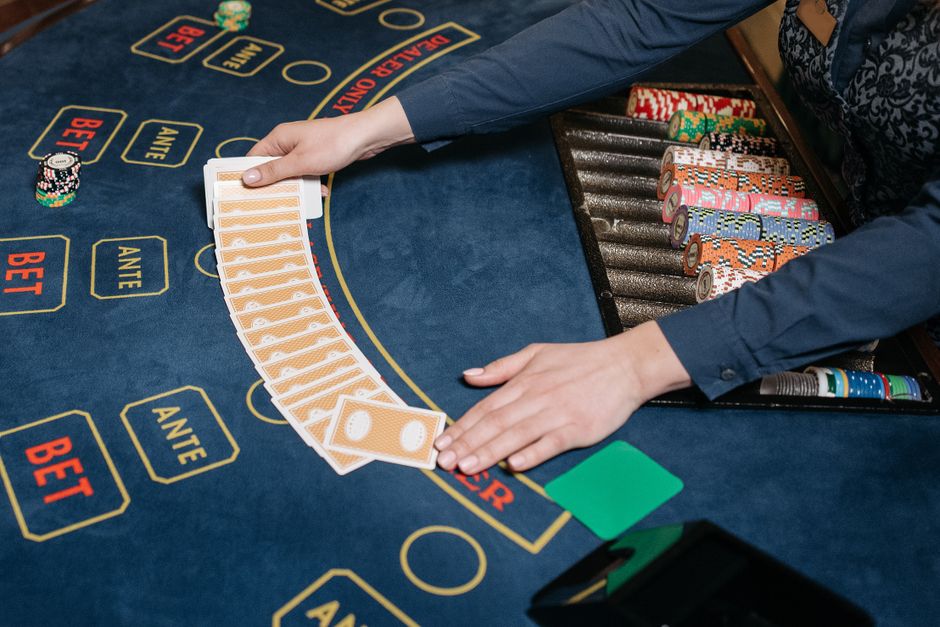
You've been spinning the same slot for twenty minutes. Your balance is bleeding out in tiny, predictable increments. Then a notification pops up: someone just hit a 5,000x multiplier on a game you've never heard of. Before you rage-quit, understand this isn't bad luck working against you personally. It's math doing exactly what it was designed to do. The difference between those two experiences has a name, and it's the single most misunderstood concept in online slots: volatility.
Most players obsess over RTP, the return-to-player percentage. That number matters, but it tells you almost nothing about what a session will actually feel like. A 96% RTP slot can drain your bankroll in fifteen minutes or keep you entertained for three hours, depending on how it distributes its wins. Volatility is the personality of the machine. RTP is just its long-term average mood.
Volatility describes how a slot pays out. Low-volatility games deliver frequent, smaller wins. High-volatility games pay rarely but can hit enormous multipliers when they do. Neither is better. They simply suit different temperaments and bankroll sizes.
Here's a concrete comparison. Starburst, the NetEnt classic, sits at low-to-medium volatility with an RTP around 96.1%. You'll see wins constantly, often just a fraction of your stake. Compare that to something like Money Train 2 from Relax Gaming, a brutally high-volatility title with maximum wins north of 50,000x. Players can go fifty spins without a single meaningful return, then trigger a bonus that pays more than a month's salary. For up-to-date information, visit สล็อต.
Buried in the game info screen, usually behind a small "i" icon, is a stat called hit frequency. This is the percentage of spins that return anything at all. A slot with 25% hit frequency gives you a win on roughly one in four spins. One with 12% means nearly nine out of ten spins return nothing.
That gap explains why two slots with identical RTP feel completely different. A low-volatility game might hit 40% of the time, frequently returning less than your stake but still registering as a "win." High-volatility games often hover between 15% and 25%. Your brain registers the dead spins as losses, and that emotional rollercoaster is a feature, not a bug.
Practical takeaway: if a €50 bankroll has to last you an evening, a 15% hit frequency slot will probably ruin that plan. Match the game to the budget, not the other way around.
Variance is the mathematical consequence of volatility. Even on a slot with a positive expectation in a bonus round (rare, but they exist), short-term results swing wildly. This is where most players make their critical mistake: they overestimate how long their money will last on volatile games.
A workable framework many experienced players use:
A common rule among high-volatility enthusiasts is the 200-spin rule: your bankroll should cover 200 spins at your chosen stake, and when you factor in the bonus feature rate of roughly one per 200 to 300 spins, that figure isn't arbitrary. It's a rough buffer against the cold streaks that are statistically guaranteed to show up.
The same principle governs poker and sports betting, just with different vocabulary. A poker player who only plays premium hands experiences low variance and steady grind. A player who three-bets light and bluffs rivers experiences high variance with bigger swings and a higher skill ceiling. Tournament poker is the slot equivalent of extreme volatility: long periods of nothing, punctuated by a deep run that changes everything.
Sports bettors see it too. Backing heavy favourites at 1.20 odds is low volatility betting, grinding out small returns. Punting on a 15.00 underdog is high volatility, and the maths looks identical to a volatile slot: rare hits, big payoffs, long dry spells. The bettor who stakes the same on both is making a bankroll error, not a bad prediction.
There's no single "best" volatility level, and anyone who tells you otherwise is selling something. A player unwinding after work with €20 wants a low-volatility slot that keeps the session alive. A player hunting a headline win with a budget set aside for that purpose wants maximum volatility and accepts the long odds.
What matters is informed choice. Check the RTP in the game info. Look up the max win and hit frequency. Pick a stake that lets your bankroll survive the bad run that will come. Then let the variance play out.
The slot industry has spent two decades engineering volatility to feel thrilling, and it's genuinely good at it. The reel near-misses, the anticipation of the third scatter, the near-miss bonus trigger. None of that is random design. It's calibrated. Knowing the calibration doesn't kill the fun. It just moves you from being played to playing the game on your own terms. That shift in perspective is worth more than any hot streak you'll ever hit.
